10 Common Problems Found During a Home Inspection
A home inspection can feel stressful whether you are buying, selling, or maintaining your home. The good news is that many inspection findings are common, manageable, and sometimes preventable with proper maintenance. Here are ten problems home inspectors frequently report and practical tips to help homeowners understand them.
1. Basement Moisture and Water Intrusion
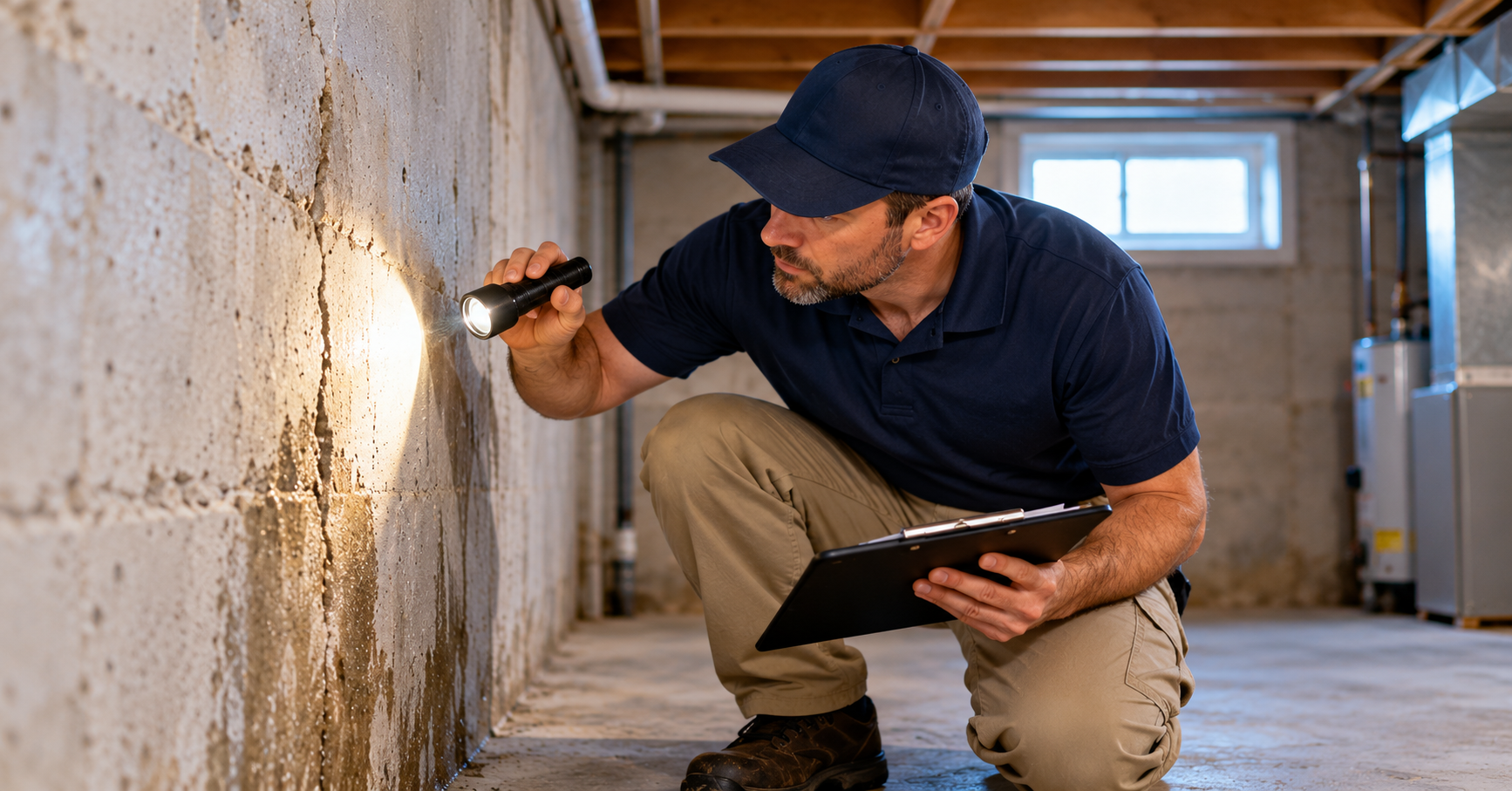
Damp basements, water stains, and foundation cracks are common findings during home inspections. Moisture can damage building materials, contribute to mould growth, and affect indoor air quality.
Fixing leaks, improving drainage, and using a dehumidifier when appropriate can help protect your home.
2. Poor Grading and Drainage
If the ground slopes toward your house, rainwater can collect against the foundation and increase the risk of basement leaks.
Maintaining proper grading, cleaning gutters, and directing downspouts away from the foundation can help manage water around your property.
3. Roof Damage and Leaks
Missing or curling shingles, damaged flashing, and ceiling stains can indicate roof problems. If left unaddressed, roof leaks may contribute to wood deterioration, insulation damage, and mould growth.
Keep gutters clear and arrange professional roof repairs when needed.
4. Outdated or Unsafe Electrical Wiring
In older homes, inspectors may identify outdated wiring, damaged electrical components, overloaded circuits, or missing ground-fault protection where required.
Electrical concerns should be assessed and repaired by a qualified electrician. Addressing potential hazards promptly helps protect your property and household.
5. Plumbing Leaks and Aging Pipes
Slow leaks under sinks, around toilets, and in basements can go unnoticed for long periods. These problems may cause water damage, stains, and deterioration of nearby materials.
Check under-sink cabinets, inspect visible plumbing connections, and arrange repairs when leaks or corrosion are discovered.
6. Poor Insulation, Ventilation, and Air Leakage
Insufficient attic insulation, air leaks, and poor ventilation can affect energy efficiency and indoor comfort.
Bathroom and kitchen exhaust fans should vent appropriately to the exterior. Improving insulation and sealing air leaks can help maintain consistent indoor temperatures and manage excess humidity.
7. Mould and Hidden Moisture Damage
Mould may appear in basements, attics, bathrooms, and areas affected by leaks or condensation. Home inspectors can report visible signs, such as staining and musty odours, but a standard inspection does not identify every hidden problem behind finished walls.
If mould is suspected, investigate and correct the moisture source and seek a qualified professional when necessary.
[Image: A home inspector examining basement moisture or visible water staining]
8. Foundation Cracks and Structural Concerns
Foundation cracks, uneven floors, sticking doors, and visible wall movement can indicate maintenance needs or possible structural concerns.
Not every crack signals a serious problem, but its size, location, and pattern matter. A qualified home inspector can document visible conditions and recommend further assessment by an appropriate specialist when necessary.
9. Windows, Doors, and Exterior Problems
Damaged window seals, deteriorated caulking, worn weatherstripping, and gaps around exterior doors can allow drafts and moisture into a home.
Inspectors may also identify damaged siding, deteriorated trim, or areas where water could enter. Maintaining exterior seals and repairing damaged materials helps improve comfort and protect the building envelope.
10. Aging Heating and Cooling Systems
Furnaces, air conditioners, and water heaters may show signs of age, wear, or inadequate maintenance during a home inspection.
Older equipment is not automatically defective, but its condition and performance should be considered. Regular servicing by qualified professionals and reviewing available maintenance records can help homeowners plan repairs or replacement.
How to Prepare for a Home Inspection
Follow these practical steps before your scheduled inspection:
- Address visible leaks: Repair known plumbing leaks and investigate signs of water intrusion.
- Provide access: Clear clutter around the electrical panel, furnace, water heater, attic access, and basement walls.
- Check exterior drainage: Clean gutters and make sure downspouts direct water away from the foundation.
- Gather maintenance records: Keep available documentation for the roof, heating system, plumbing, and previous repairs.
- Check safety alarms: Check accessible smoke and carbon monoxide alarms and follow the manufacturer’s instructions.
- Make areas accessible: Unlock relevant doors and provide safe access to the areas included in the inspection.
What Happens After a Home Inspection?
Once the inspection is complete, review the report carefully and ask questions about any findings you do not understand.
Reports commonly distinguish between maintenance recommendations, defects, and conditions that may require further evaluation. Depending on the findings, you may need estimates from qualified electricians, plumbers, roofers, or structural specialists before deciding on next steps.
If you are buying a property, discuss inspection findings and contractual questions with your real estate professional or legal adviser. If you already own the home, prioritise safety concerns and active water intrusion before planning routine maintenance.
Book a Home Inspection With ShieldPoint
Whether you are preparing to purchase a property, selling your current home, or planning routine maintenance, a professional home inspection can help you better understand the visible condition of the property.
Visit ShieldPoint Home Inspection to learn more about home inspection services and take the next step toward making an informed property decision.
ShieldPoint Home Inspection